Avira Free Antivirus: Full Features, History & Step-by-Step Setup Guide (2026)
Founding and Early Development (1986–1995)
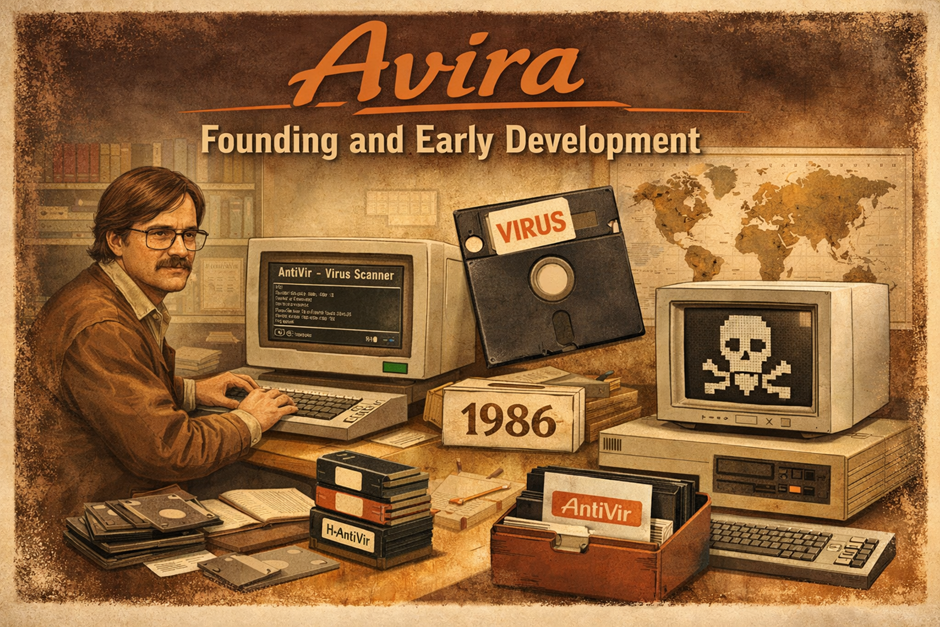
Avira’s origins date back to 1986, when Tjark Auerbach established H+BEDV Datentechnik in Tettnang, Germany. The concept emerged after he encountered one of the earliest digital threats (virus) spreading through floppy disks, highlighting the urgent need for reliable computer protection (security).
At that time, users had almost no defense against malicious software, and even basic digital safety systems (antivirus) were not widely available. Recognizing this gap, Auerbach began developing early protection tools using foundational software creation techniques and logical system design (coding).
In 1988, the company released AntiVir, one of the first antivirus solutions (antivirus software) for personal computers. Designed for early machines, it worked closely with system hardware like the central processing unit and memory resources, scanning files to detect threats.
Software distribution relied heavily on physical media such as floppy disks and later USB drives , with updates requiring manual installation. Despite limitations, AntiVir quickly became a trusted solution in early system management environments.
Expansion and Technological Innovation (1995–2005)
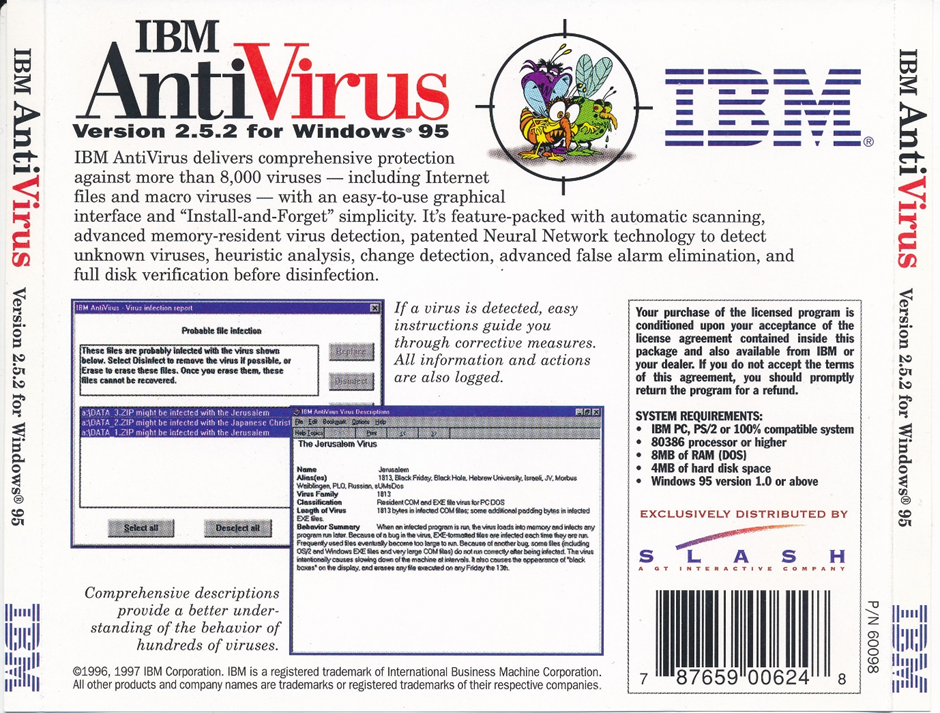
With the growth of the internet, cyber threats became more advanced, requiring stronger defensive layers such as network protection systems (firewall) and smarter detection technologies.
During this period, the company introduced heuristic analysis, allowing detection of unknown threats using intelligent behavior-based methods powered by early artificial intelligence concepts (AI). This significantly improved detection accuracy.
The software expanded compatibility across major platforms, including Microsoft Windows, and support for enterprise systems developed by companies like IBM and Oracle.
As computing evolved, the antivirus engine adapted to different processors manufactured by companies like Intel and HP systems.
By the early 2000s, the company had:
- Expanded across Europe
- Improved enterprise-level protection
- Supported growing business environments
In 2004, AntiVir introduced protection against dialer programs, a common threat at the time that secretly connected users to expensive phone numbers via modems.
Rebranding and Global Strategy (2006)

In 2006, H+BEDV officially became Avira GmbH, marking a shift toward global brand recognition.
This move strengthened partnerships with major ecosystems such as Microsoft and improved compatibility across operating systems like Linux and MacOS.
The rebranding also aligned with the growth of web technologies (web development) and modern digital platforms.
Rapid Growth and Freemium Success (2006–2015)

Avira’s adoption of a freemium model helped it grow rapidly, offering powerful free protection while providing premium upgrades.
By 2012, Avira had over 100 million users worldwide and strong compatibility across devices from brands like Samsung, Sony, and Motorola.
The software expanded beyond PCs to mobile platforms such as Android, while also supporting services integrated with Google infrastructure.
Cloud-based detection systems (cloud) were introduced, reducing reliance on local processing and improving speed.
Cloud Security and Ecosystem Expansion (2015–2020)

During this period, Avira evolved into a full ecosystem, offering tools for privacy, performance, and protection.
New features included:
- Secure browsing tools
- Password protection systems
- File scanning and export capabilities (PDF)
- Cross-platform protection
The system leveraged advanced data processing and intelligent algorithms (AI) to detect zero-day threats more effectively.
This transformation made Avira more than just an antivirus—it became a complete digital protection suite supporting developers, IT professionals, and users involved in scripting and automation.
Acquisitions and Industry Consolidation (2020–2021)

In April 2020, Avira was acquired by Investcorp, signaling a shift toward scaling the business and increasing its market value.
Shortly after, in 2021, Avira was acquired by NortonLifeLock (now part of Gen Digital) for approximately $360 million.
This acquisition placed Avira within a portfolio of major cybersecurity brands, including:
- Avast
- AVG Technologies
- Norton
It also marked a broader trend of industry consolidation, where leading cybersecurity companies объединяются to strengthen their global presence and technology capabilities.