Microsoft: Complete History, WINDOWS Evolution, Cloud Computing, and Artificial Intelligence
Microsoft is one of the most influential technology companies in the world. Since its founding in 1975, the company has shaped modern computing through operating systems, enterprise software, Cloud infrastructure, and advanced Artificial Intelligence technologies.
Today, billions of devices run WINDOWS, while millions of organizations rely on Microsoft platforms for productivity, data management, and enterprise computing. From personal computers powered by modern Processors to global Cloud services handling massive datasets, Microsoft technologies are deeply integrated into the digital world.
Microsoft’s ecosystem spans several critical areas of technology:
- Operating systems like WINDOWS
- Enterprise software platforms
- Productivity tools
- Developer environments for Programming
- Global Cloud computing services
- Advanced Artificial Intelligence
- Cybersecurity and digital identity
Unlike many technology companies that specialize in a single area, Microsoft operates across a wide range of platforms that interact with systems such as ANDROID, Linux, and macOS. This interoperability has helped Microsoft remain central to the modern technology ecosystem.
The Founding of Microsoft

Microsoft was founded by Bill Gates and Paul Allen on April 4, 1975. Their vision was simple but revolutionary: create software that would enable the growing market of personal computers.
The company’s first product was Altair BASIC, a programming language interpreter designed for the Altair 8800 computer. At the time, personal computers were rare and primarily used by hobbyists and researchers.
Gates and Allen quickly realized that software would become the most important component of computing. Instead of building hardware, they focused on developing software platforms that could run on many machines.
This strategy would eventually lead to partnerships with major technology companies including IBM, Intel, and HP, helping Microsoft expand its reach across the global computing industry.
The IBM Partnership and MS-DOS
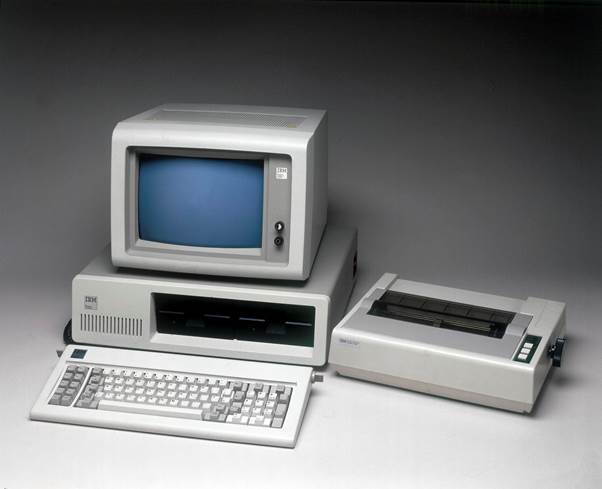
In 1980, IBM decided to enter the personal computer market and needed an operating system for its upcoming machine. The company approached Microsoft for a solution.
Microsoft supplied MS-DOS (Microsoft Disk Operating System), which became the operating system for the IBM PC released in 1981.
This partnership transformed the technology industry.
Several factors made the deal extremely important:
- Microsoft retained the right to license MS-DOS to other hardware manufacturers
- The IBM PC architecture became an industry standard
- Hardware manufacturers such as Intel and HP adopted the platform
As clones of the IBM PC spread across the market, MS-DOS became the dominant operating system of the 1980s. The agreement helped Microsoft become the leading software company in the personal computer industry.
The Birth and Evolution of WINDOWS
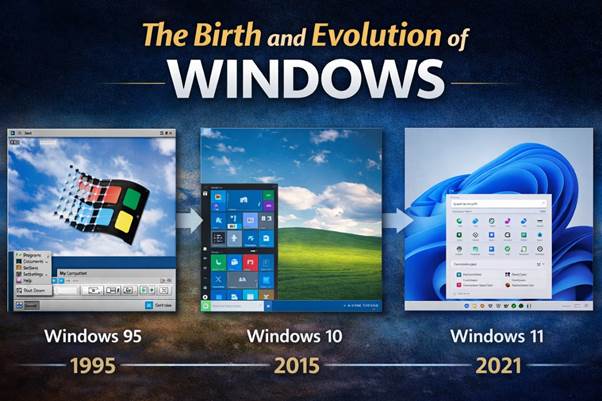
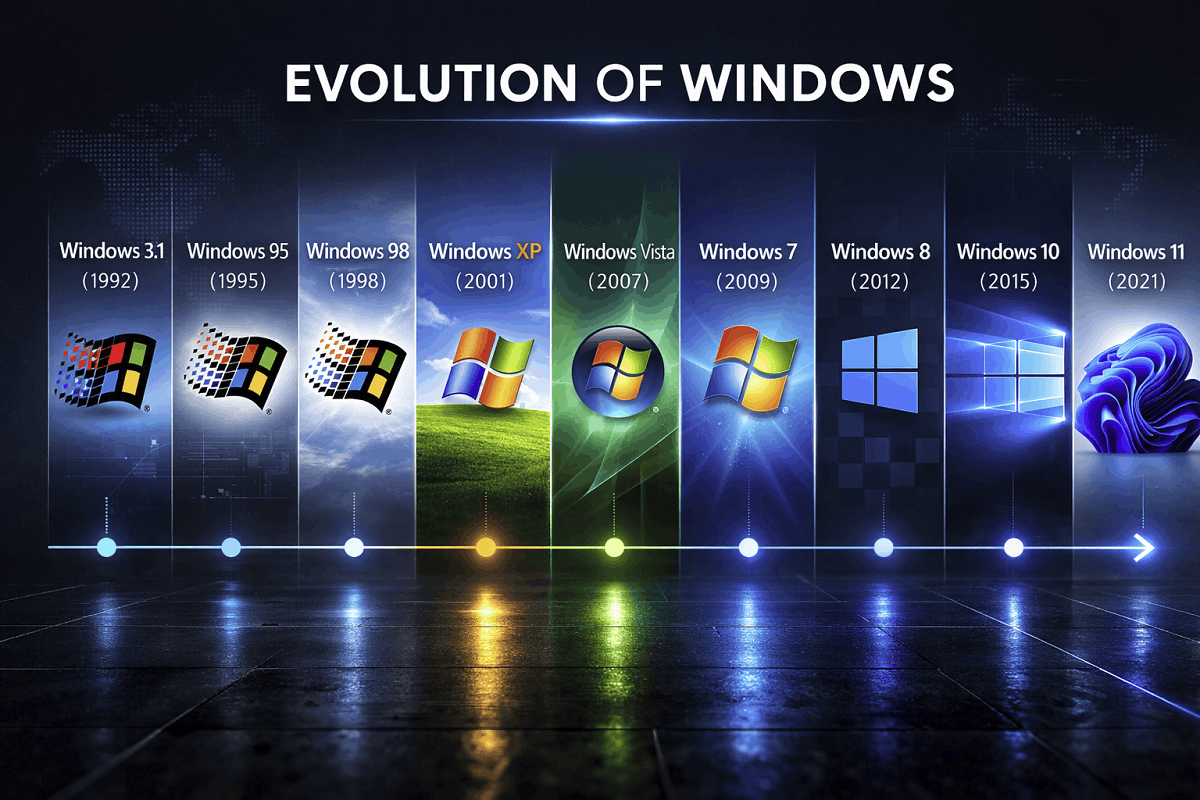
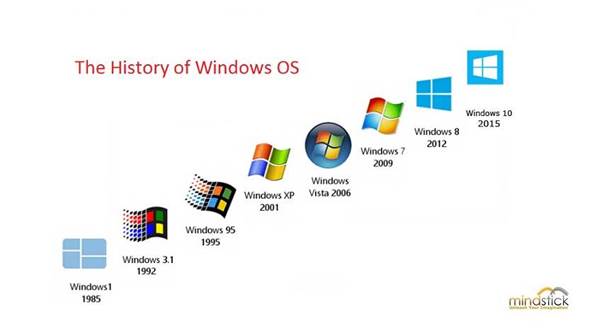
While MS-DOS was powerful, it relied on text commands that were difficult for many users. To simplify computing, Microsoft introduced WINDOWS in 1985.
WINDOWS added a graphical interface that allowed users to interact with their computers using windows, icons, and menus.
Windows 95 Revolution
Released in 1995, WINDOWS 95 introduced the famous Start Menu, taskbar, and plug-and-play hardware support. It made personal computers accessible to millions of new users.
Windows XP Stability
In 2001, WINDOWS XP became one of the most popular operating systems ever released. It provided improved stability, security, and compatibility with modern Processors and increased Ram.
Modern Windows Era
Modern versions such as WINDOWS 10 and WINDOWS 11 integrate cloud services, enhanced security, and Artificial Intelligence tools that assist users with productivity and automation.
Today WINDOWS remains one of the most widely used desktop operating systems in the world.
Microsoft Office and Productivity Software
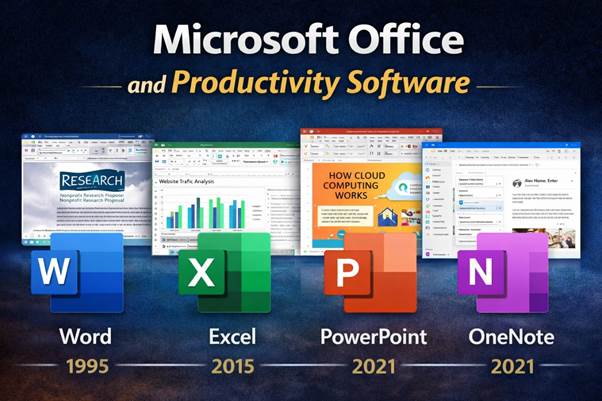
Beyond operating systems, Microsoft revolutionized office productivity with its Microsoft Office suite.
The platform includes several industry-standard tools:
- Microsoft Word
- Microsoft Excel
- Microsoft PowerPoint
- Outlook
- OneNote
These applications are used worldwide for documents, spreadsheets, presentations, and communication.
For example:
- Word documents can easily export as PDF files
- Excel performs complex calculations using system ram and powerful processors
- PowerPoint enables professional business presentations
Today these tools operate through Microsoft 365, a subscription platform integrated with the Cloud for collaboration and real-time editing.
Microsoft and the Cloud Computing Revolution
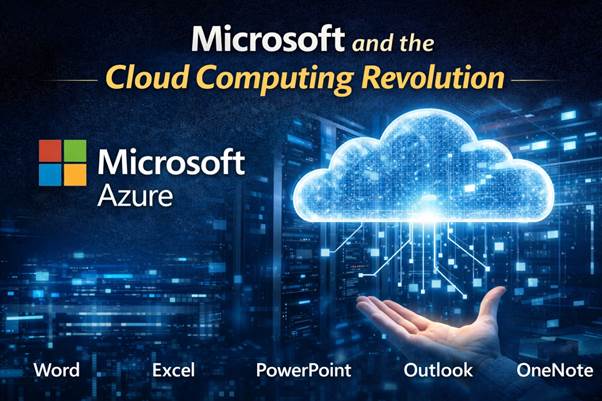
Cloud computing has transformed the technology industry, and Microsoft is one of the leaders of this transformation.
The company’s Cloud platform, Azure, provides global infrastructure for applications, databases, artificial intelligence, and enterprise systems.
Azure competes with major platforms including services from Google and Oracle.
Organizations use Azure to:
- host websites and applications
- store large datasets
- run artificial intelligence models
- deploy enterprise business software
The shift toward Cloud infrastructure allows businesses to scale computing power without maintaining their own hardware.
Microsoft and Artificial Intelligence
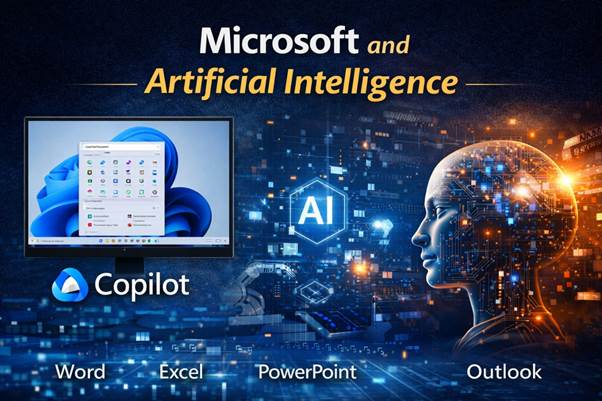
In recent years, Artificial Intelligence has become a major focus for Microsoft.
AI technologies are integrated across many Microsoft products including:
- Windows Copilot
- Microsoft 365 AI assistants
- Azure AI services
- enterprise analytics platforms
Training advanced AI models requires massive computing infrastructure using high-performance Processors, large amounts of Ram, and distributed Cloud data centers.
These technologies are helping industries automate processes, analyze large datasets, and develop intelligent software systems.
Microsoft and the Open Source Ecosystem
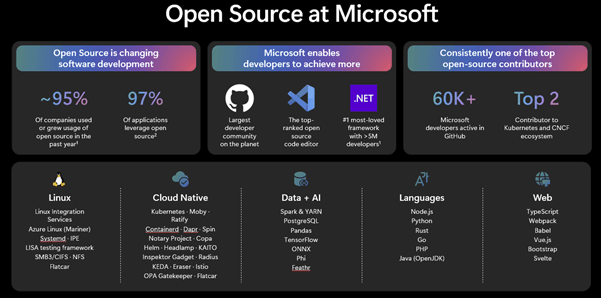
Although Microsoft once competed strongly against Linux, the company now actively supports open-source software.
Key initiatives include:
- Azure hosting for Linux servers
- ownership of GitHub
- developer tools supporting multiple platforms
Modern development environments allow software built with Microsoft tools to run on:
- ANDROID devices
- Linux servers
- Apple macOS computers
This cross-platform compatibility makes Microsoft tools attractive to developers working in many programming environments.
Microsoft Hardware and Surface Devices
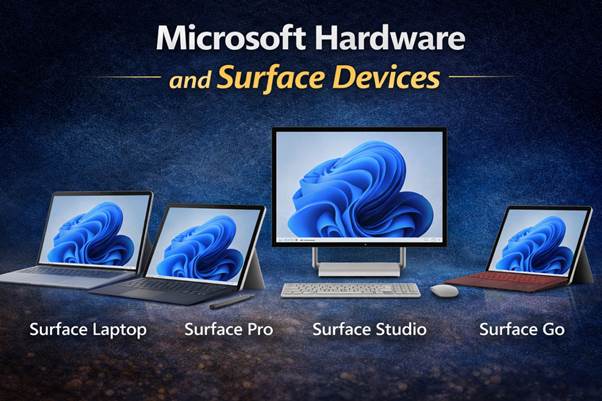
Although Microsoft is primarily known for software, the company also produces hardware devices.
The Surface product line includes:
- laptops
- tablets
- hybrid devices
- creative workstations
These systems run Windows and are designed to showcase the performance of modern Processors from manufacturers such as Intel.
Microsoft hardware competes with devices from manufacturers like HP, while Apple devices run their own macOS operating system.
Security, Password Protection, and Enterprise Solutions

Security has become one of the most important priorities for modern computing.
Microsoft provides enterprise security solutions including:
- identity management systems
- encrypted password protection
- device security monitoring
- Cloud threat detection
Tools such as Microsoft Defender help organizations protect their systems from cyber threats and malware attacks.
Microsoft Timeline: Key Milestones (1975–2026)
Important milestones in the development of Microsoft include:
- 1975 – Microsoft founded by Bill Gates and Paul Allen
- 1981 – MS-DOS released for the IBM PC
- 1985 – First version of WINDOWS introduced
- 1995 – WINDOWS 95 revolutionizes personal computing
- 2001 – WINDOWS XP becomes global standard
- 2008 – Launch of Microsoft Cloud platform Azure
- 2014 – Satya Nadella becomes CEO
- 2018 – Microsoft acquires GitHub
- 2020s – integration of Artificial Intelligence into products
Microsoft vs Google vs Apple vs Oracle
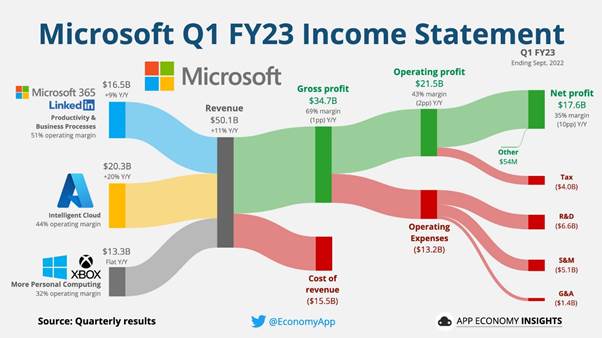
Several major companies dominate the technology industry.
| Company | Major Platforms | Core Strength |
| Microsoft | WINDOWS, Azure Cloud, Office | Enterprise computing |
| Search, ANDROID, AI | Internet services | |
| Apple | iOS, macOS | Hardware ecosystem |
| Oracle | Database systems | Enterprise data infrastructure |
Each company focuses on different areas of the digital ecosystem.
Microsoft Technology Ecosystem
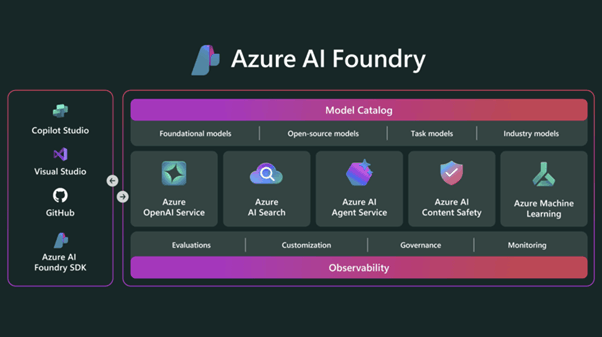
The strength of Microsoft comes from its integrated ecosystem of technologies.
Operating Systems
Microsoft operating systems include:
- WINDOWS 11
- Windows Server
- Embedded operating systems
Developer Tools and Programming
Developers use Microsoft tools for Programming, including:
- Visual Studio
- Visual Studio Code
- Azure DevOps
These tools support development for WINDOWS, ANDROID, Linux, and macOS.
Cloud Infrastructure
Azure provides enterprise Cloud services including:
- computing infrastructure
- AI platforms
- database hosting
- cybersecurity tools
Why Microsoft Dominates Enterprise Technology

Several factors explain the dominance of Microsoft in enterprise technology.
Integrated Software Ecosystem
Microsoft combines WINDOWS, enterprise applications, developer platforms, and Cloud services into a single ecosystem.
Global Enterprise Adoption
Many businesses depend on Microsoft platforms for collaboration, security, and productivity.
Continuous Innovation
Microsoft invests heavily in research focused on:
- Artificial Intelligence
- cybersecurity
- advanced computing infrastructure
Conclusion: Microsoft’s Global Technology Influence
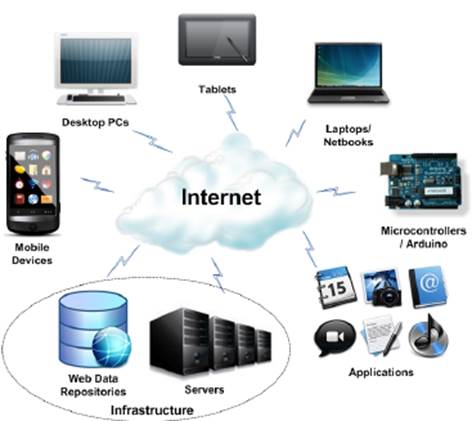
Over the past five decades, Microsoft has played a defining role in shaping modern computing.
From its early partnership with IBM to the global adoption of WINDOWS, Microsoft technologies have influenced how people work, communicate, and build digital systems.
Today, Microsoft’s ecosystem of Cloud services, productivity tools, enterprise platforms, and Artificial Intelligence innovations continues to shape the future of global technology.