Android: Complete Guide to the World’s Most Popular Mobile Operating System, Architecture, Development, and Future Technologies
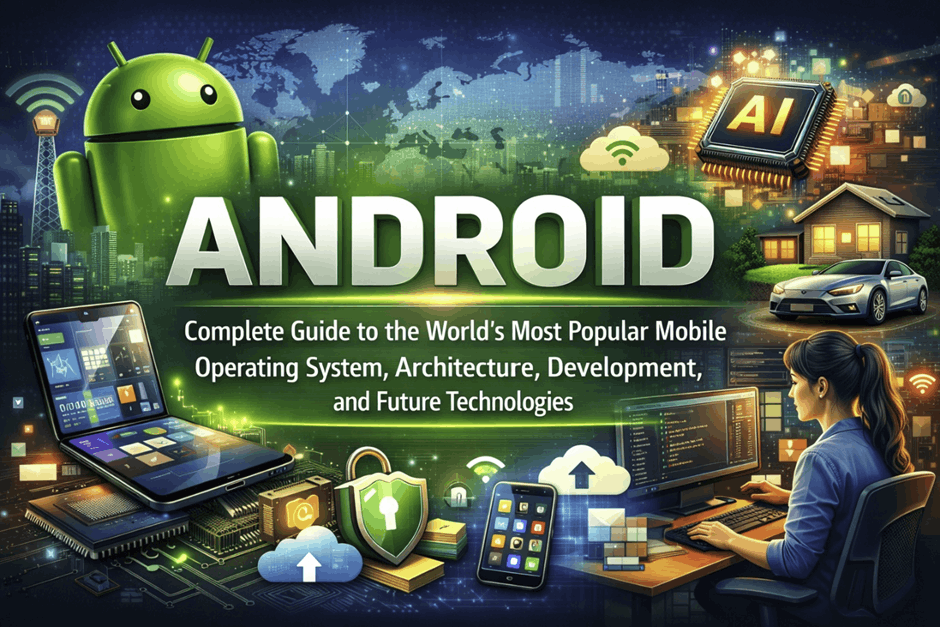
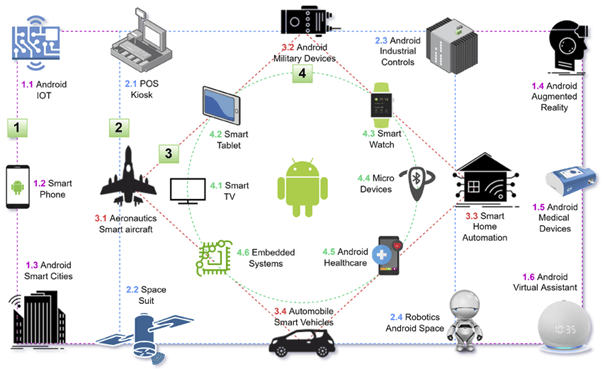
Android is the most widely used mobile operating system in the world. Developed and maintained by Google, Android powers billions of smartphones, tablets, smart TVs, wearables, and embedded devices. This system is built on the Linux kernel to make the OS more flexible and scalable.
Since its official release in 2008, Android has transformed the mobile technology industry. Today, Android devices integrate powerful processors, optimized RAM management, and advanced features powered by Artificial Intelligence. These capabilities allow smartphones to perform tasks that once required desktop computers running Windows or MacOS.
The Android ecosystem brings together millions of developers, manufacturers, and users worldwide. Major companies such as Intel, HP, IBM, Oracle, and Microsoft contribute technologies and infrastructure that support the platform.
Android also works closely with cloud computing platforms, enabling seamless synchronization between smartphones, laptops, and enterprise systems. Users can store documents such as PDF files, manage secure password vaults, and run sophisticated applications across multiple devices.
Today, Android is a global technology platform powering mobile computing, smart homes, automotive systems, and the future of digital connectivity.
The History and Evolution of Android (H2)
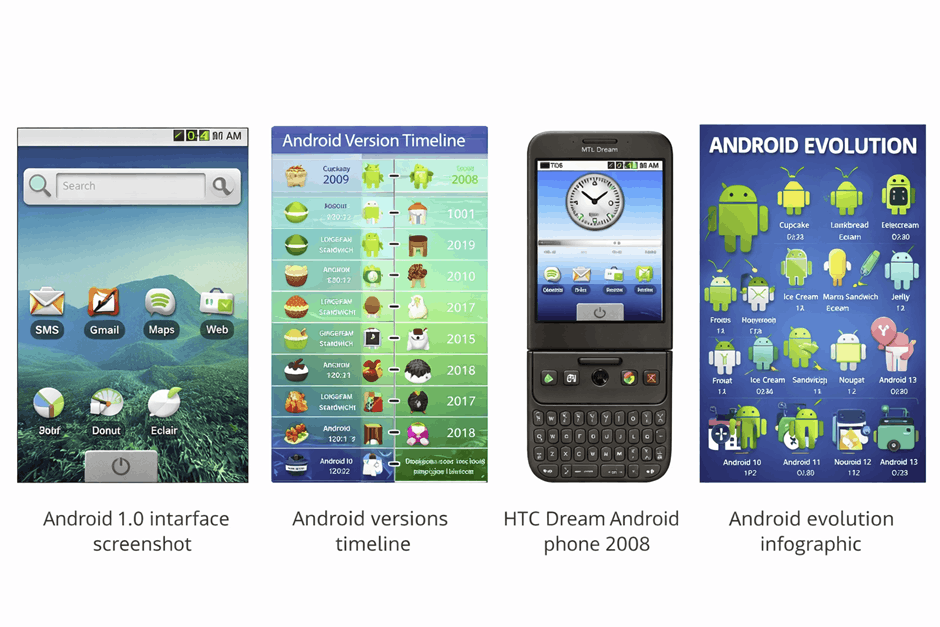
The story of Android began in 2003 when a startup called Android Inc. was founded by Andy Rubin, Rich Miner, Nick Sears, and Chris White. The company initially focused on developing software for digital cameras. However, as smartphones began transforming the technology industry, the team shifted its focus toward creating a mobile operating system.
In 2005, Google acquired Android Inc. and began developing the platform that would eventually dominate the mobile market.
The First Android Smartphone
The first Android smartphone, the HTC Dream (T-Mobile G1), was released in 2008. It introduced several groundbreaking features:
- customizable home screens
- Google service integration
- application downloads through Android Market
At the time, the smartphone market was dominated by systems like Windows Mobile and Symbian. Android’s open platform allowed manufacturers to innovate quickly.
Rapid Growth of the Android Ecosystem
Android adoption grew rapidly as smartphone manufacturers began using the operating system.
Below is a list of companies using Android devices:
- Samsung
- Sony
- Motorola
- HP
The Android platform continued to evolve with major releases such as:
- Android Cupcake
- Android Gingerbread
- Android Jelly Bean
- Android Oreo
- Android 10, 11, 12, and later versions
Each version improved performance, security, and support for modern mobile processors.
Android Architecture and System Design
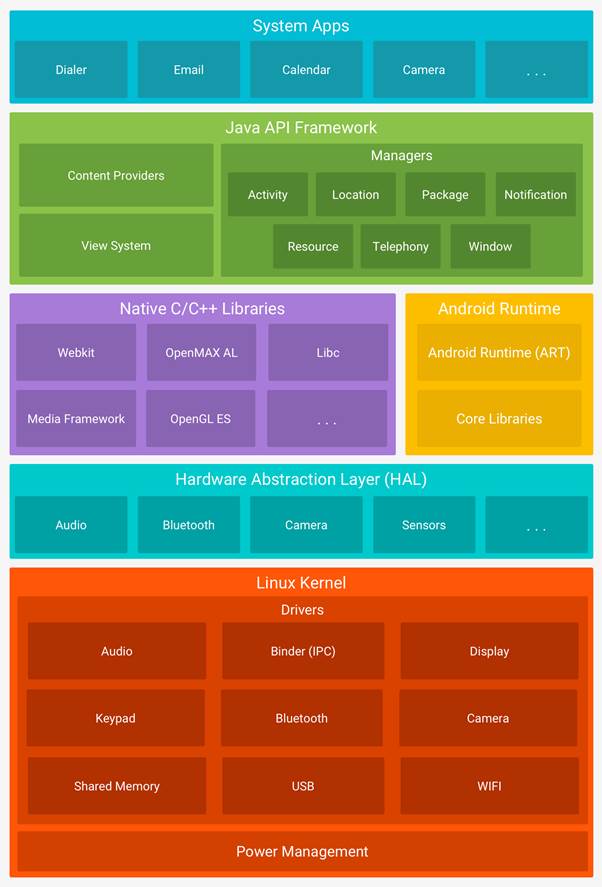
The architecture of Android is designed with several layers that work together to manage hardware, applications, and system services.
At its core lies the Linux kernel, which provides the foundation for Android’s stability and performance.
Linux Kernel Layer
The Linux kernel is responsible for managing hardware and system resources.
Key functions include:
- memory management for RAM
- hardware drivers
- process scheduling
- power management
- networking
Using the Linux kernel allows Android to run efficiently across thousands of different hardware configurations.
Android Runtime and Libraries
The Android Runtime (ART) executes applications and converts program code into machine instructions optimized for device processors.
Native libraries provide essential functionality such as:
- graphics rendering
- database management
- multimedia playback
- encryption
Application Framework
The application framework allows developers to interact with system components through standardized APIs.
Important services include:
- Activity Manager
- Notification Manager
- Window Manager
- Location Services
This layer ensures Android applications can safely access device hardware.
Android Application Development and Programming
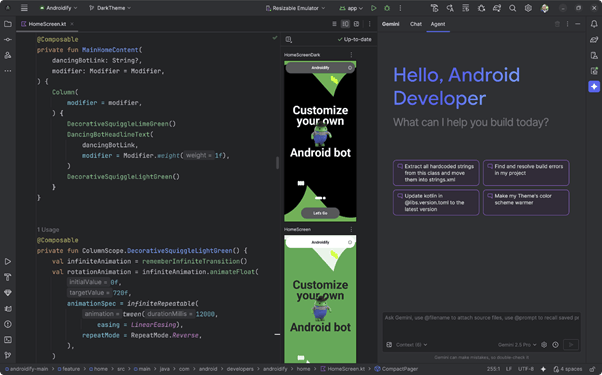
Android has one of the largest developer ecosystems in the world. Millions of developers build applications for Android devices.
Programming Languages for Android
Android applications are built using several programming languages.
Common languages include:
- Kotlin
- Java
- C++
- Dart (Flutter)
Developers typically create Android apps on desktop computers running Windows, Linux, or MacOS.
Android Studio Development Tools
Android Studio is the official development environment for Android.
Features include:
- code editing and debugging
- visual UI layout design
- emulator testing
- performance monitoring
Android development can also integrate cloud services from Google, Microsoft, and Oracle.
Google Play Distribution Platform
The Google Play Store provides global distribution for Android applications.
Categories include:
- productivity
- gaming
- finance
- document management tools for PDF files
- security applications for password protection
Android Hardware Ecosystem and Mobile Processors
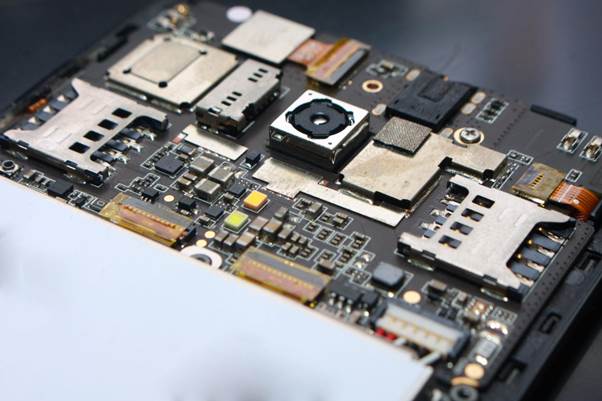
Android devices operate on a wide range of hardware platforms.
Manufacturers produce smartphones with different levels of computing power, memory capacity, and storage.
Mobile Processors
Modern Android smartphones use powerful mobile processors capable of handling demanding applications.
Major manufacturers include:
- Qualcomm
- Intel
- MediaTek
- Samsung
These processors combine CPU, GPU, AI accelerators, and security modules into a single system-on-chip.
RAM and Performance Optimization
Efficient RAM management ensures smooth performance.
Android uses several techniques:
- background process optimization
- memory prioritization
- adaptive battery technology
These features help maintain performance even when multiple applications run simultaneously.
Android Security and Data Protection
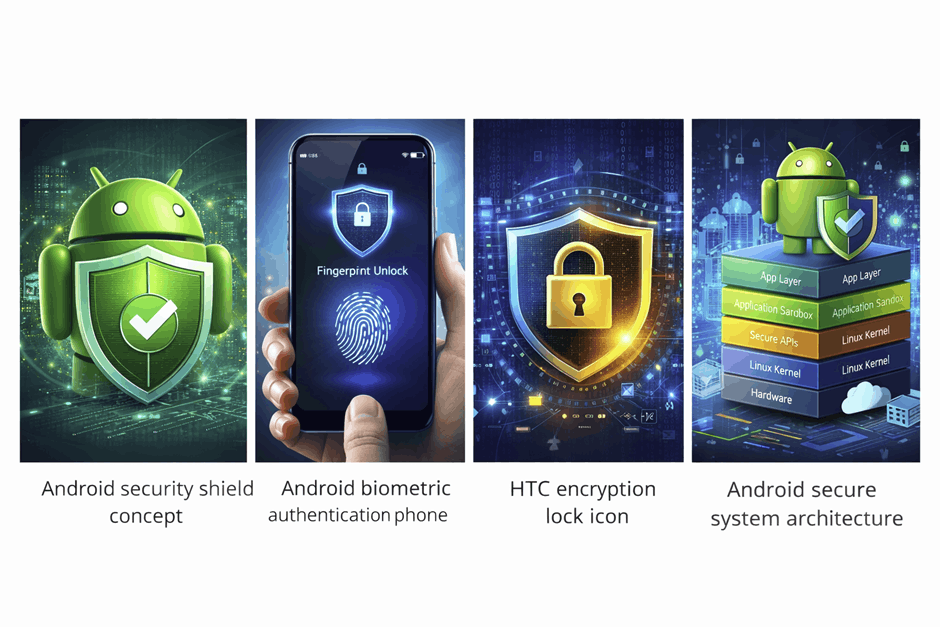
Security is a major focus for Google and the Android ecosystem.
Modern Android systems include multiple layers of protection designed to secure user data.
Application Sandbox Model
Each Android application runs inside its own sandbox environment.
This prevents apps from accessing:
- system files
- other application data
- sensitive user information
Encryption and Password Protection
Android uses strong encryption methods to protect user data.
Security technologies include:
- device encryption
- secure password storage
- biometric authentication
These protections secure documents such as PDF files and personal information stored on the device.
Artificial Intelligence in Android Devices

Modern Android smartphones use Artificial Intelligence to improve functionality and user experience.
AI technologies power features such as:
- voice assistants
- predictive text input
- image recognition
- battery optimization
Google AI Ecosystem
Google provides AI technologies integrated directly into Android.
Examples include:
- Google Assistant
- AI-powered search
- smart voice recognition
AI Hardware Acceleration
Mobile chipsets now include specialized AI processing units that allow devices to perform machine learning tasks locally without relying completely on the cloud.
Android vs Other Operating Systems
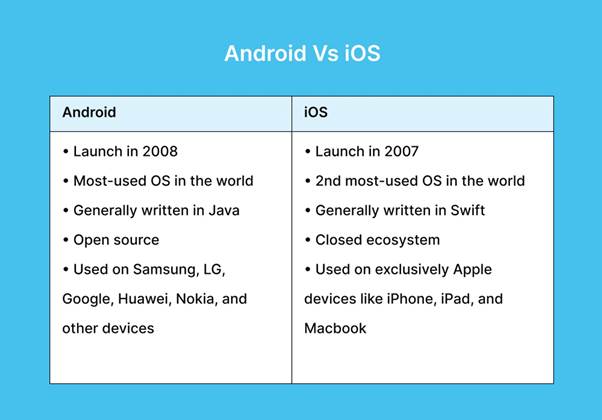
Android competes with several major operating systems including Apple iOS, Windows, and MacOS.
Android’s strengths include:
- open ecosystem
- device variety
- customizable user interfaces
Enterprise environments often integrate Android with technologies from IBM, Microsoft, and Oracle.
The Future of Android Technology

The future of Android will be shaped by emerging technologies such as:
- foldable smartphones
- augmented reality
- smart home ecosystems
- advanced Artificial Intelligence
Companies including Google, Microsoft, IBM, and Oracle are investing heavily in cloud computing infrastructure that will support future Android applications.